Learning to read the Quran is a meaningful journey, but for a complete beginner, Arabic letters and Quranic reading patterns can initially feel unfamiliar. Some Arabic sounds may be new, letters can change form when connected, and small pronunciation differences can affect how words are read.
This is where Noorani Qaida becomes useful. It provides a structured introduction to Arabic reading, helping beginners learn letters, sounds, vowel marks, connected letters, and basic pronunciation patterns before moving into complete Quranic verses. For beginners who want structured guidance, a Noorani Qaida Course can provide step-by-step instruction while developing the foundation needed for Quran reading.
Whether the learner is a child starting Quran education or an adult learning Arabic reading for the first time, Noorani Qaida offers a gradual path from basic letter recognition to reading Quranic words.
What Is Noorani Qaida?
Noorani Qaida is a beginner-level learning book commonly used to teach Arabic reading skills needed for Quran recitation. It introduces the basic rules and patterns that learners need to recognize and pronounce Arabic letters correctly.
Instead of beginning immediately with complete Quranic passages, learners generally progress through simpler exercises first. Depending on the edition and teaching method, lessons may cover:
- Arabic letter recognition
- Correct letter pronunciation
- Fathah, Kasrah, and Dammah
- Joined letters
- Tanween
- Madd
- Sukoon
- Shaddah
- Basic pronunciation patterns
- Quranic reading exercises
The purpose is to make the learning process gradual. Students first become familiar with individual components and then learn how those components work together.
It is important to understand that Noorani Qaida is not the Quran itself. It is a foundational learning resource designed to help beginners develop the reading skills required to approach the Quran.
Why Is Noorani Qaida Important for Quran Learning?
A beginner may recognize individual Arabic letters but still struggle to read a complete Quranic word. The difficulty can increase when letters are connected or when different vowel signs and pronunciation rules appear together.
Noorani Qaida breaks these challenges into manageable stages.
Students can practice small reading patterns before progressing toward longer and more complex Quranic text. This helps establish familiarity with the Arabic script and develops reading confidence.
A strong foundation can help learners develop:
- Arabic letter recognition
- Correct pronunciation habits
- Familiarity with vowel signs
- Basic reading fluency
- Confidence with connected letters
- Preparation for Tajweed
The goal is not simply to finish the book quickly. The goal is to understand and practice the reading patterns accurately enough to apply them when reading the Quran.
Learning Arabic Letters Correctly
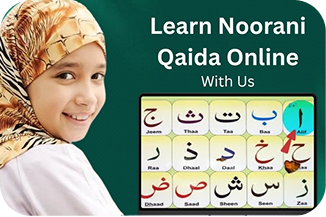
The Arabic alphabet is the starting point for Quran reading. For learners who do not speak Arabic, some letters may look or sound very similar.
For example:
ب، ت، ث
have related shapes but different pronunciations, while:
س، ش
also require learners to notice visual and pronunciation differences.
Correct letter recognition matters because confusing one letter with another can change the pronunciation of a word.
Noorani Qaida gives beginners repeated opportunities to identify letters and associate their written forms with their correct sounds. With consistent practice, this recognition becomes more natural.
Understanding Harakat
After becoming familiar with Arabic letters, beginners need to understand the short vowel signs known as Harakat.
The commonly introduced short vowels include:
- Fathah
- Kasrah
- Dammah
These signs affect how an Arabic letter is pronounced.
For a beginner, recognizing a letter is only part of reading it correctly. The accompanying vowel mark also needs to be understood.
For example, practicing a letter with different Harakat helps learners recognize how its sound changes depending on the vowel sign. This creates an important foundation for reading Quranic words.
Learning to Join Arabic Letters
Arabic letters can take different forms depending on where they appear within a word. This can initially be confusing for someone who has only learned isolated letters.
Noorani Qaida gradually introduces connected-letter exercises so learners can move from:
Individual letters → connected letters → words
This progression is important because reading a list of individual letters is very different from reading continuous Arabic text.
With repeated practice, learners become more comfortable recognizing letters in their connected forms and combining their sounds.
Understanding Sukoon, Shaddah, and Tanween
As students progress, they encounter additional reading signs that require careful attention.
Sukoon
Sukoon indicates the absence of a short vowel on a letter and introduces learners to more complex Arabic reading patterns.
Shaddah
Shaddah indicates a doubled consonant sound. Students need to recognize the mark and give the letter its appropriate emphasis during recitation.
Tanween
Tanween consists of double vowel marks and produces a characteristic ending sound in certain Arabic words.
These concepts become increasingly important as learners move from basic exercises toward Quranic reading.
Noorani Qaida and Tajweed
Noorani Qaida and Tajweed are related but should not be treated as exactly the same thing.
Tajweed refers to the principles governing correct Quranic pronunciation and recitation. It covers areas such as the articulation points of Arabic letters, their characteristics, elongation, merging, concealment, and other rules of recitation.
Noorani Qaida provides a foundation that can prepare beginners for more detailed Tajweed learning. By becoming familiar with letters, vowel signs, Sukoon, Shaddah, Madd, and other basic patterns, students have a stronger starting point for studying Quranic pronunciation.
However, completing Noorani Qaida does not mean that a learner has mastered Tajweed. Tajweed requires continued study, practice, and correction.
Why Learning With a Teacher Matters
Learning from a book can help students understand written concepts, but Quran reading also depends on pronunciation. A learner may think a sound is correct without realizing that the articulation needs adjustment.
A qualified Quran teacher can listen to the student’s recitation and identify mistakes that may otherwise become habits.
Teacher guidance can help with:
- Arabic letter pronunciation
- Articulation points
- Reading mistakes
- Vowel recognition
- Connected-letter reading
- Tajweed foundations
- Recitation practice
- Lesson progression
For children, a teacher can also keep lessons structured and age-appropriate. Adults can benefit from individualized instruction based on their previous experience and reading ability.
Who Should Learn Noorani Qaida?
Noorani Qaida is particularly useful for beginners, but different types of learners can benefit from it.
Children
Children beginning Quran education can use it to learn Arabic letters and reading patterns before progressing to regular Quran recitation.
Adults
Adults who never learned Arabic can start from the basics without needing previous knowledge.
New Quran Learners
Anyone beginning Quran reading can use a structured foundation before moving toward longer passages.
Learners Revising Their Skills
People who learned Quran reading years ago but now struggle with basic pronunciation or fluency can revisit foundational lessons.
The appropriate pace depends on the learner’s age, experience, pronunciation, consistency, and ability to understand the lessons.
How Long Does It Take to Learn Noorani Qaida?
There is no universal timeframe.
A child’s learning pace may differ from that of an adult, while someone with previous Arabic exposure may progress differently from a complete beginner.
Lesson frequency and regular practice also matter. A learner who practices consistently may develop stronger reading habits than someone who studies only occasionally.
The priority should be accuracy and understanding rather than speed.
Completing lessons quickly is less useful if the student has not understood the pronunciation patterns. Spending additional time on difficult sounds or reading exercises can create a stronger foundation for later Quran learning.
How to Learn Noorani Qaida Effectively
1. Start With Arabic Letters
Learn to recognize each letter and understand its correct pronunciation.
2. Practice Harakat
Become familiar with Fathah, Kasrah, and Dammah and how they affect pronunciation.
3. Read Aloud
Reading aloud allows pronunciation mistakes to be identified and corrected.
4. Practice Consistently
Regular short sessions can reinforce reading patterns more effectively than irregular study.
5. Take Difficult Lessons Slowly
If a particular sound or rule is difficult, repeat it until it becomes familiar.
6. Get Feedback
A teacher can identify pronunciation problems that may not be obvious to the learner.
7. Apply the Skills to Quran Reading
Once the foundational patterns are understood, learners can gradually apply them while reading Quranic words and verses.
Noorani Qaida as the Foundation for Quran Reading
The value of Noorani Qaida lies in its structured approach. Beginners do not have to learn every aspect of Quranic reading at once. Instead, they can develop individual skills and gradually combine them.
Arabic letters form the foundation. Harakat guide basic pronunciation. Connected-letter exercises develop reading ability. Additional signs such as Sukoon, Shaddah, and Tanween introduce more advanced patterns.
This progression can make the transition to Quran reading more manageable.
It also reinforces an important principle: correct reading is more important than simply reading quickly.
A learner who develops accurate habits from the beginning may find it easier to progress toward fluent Quran reading and formal Tajweed instruction.
Frequently Asked Questions
Is Noorani Qaida necessary before reading the Quran?
For someone who does not know how to read Arabic, Noorani Qaida is a useful foundation. It introduces the basic reading and pronunciation patterns needed to approach Quranic text.
Can adults learn Noorani Qaida?
Yes. Adults can begin from the basic lessons regardless of whether they have never learned Arabic reading or need to refresh previously learned skills.
Is Noorani Qaida the same as Tajweed?
No. Noorani Qaida is a beginner-level reading resource, while Tajweed is the study of principles for correct Quranic pronunciation and recitation.
Can Noorani Qaida be learned online?
Yes. Online Quran classes can provide live lessons, reading practice, and teacher feedback. The effectiveness of online learning depends on the quality of instruction, regular practice, and student participation.
What should I learn after Noorani Qaida?
After developing basic Arabic reading skills, learners can progress to Quran reading and more detailed Tajweed instruction with guidance from a qualified teacher.
Start Your Quran Reading Journey With a Strong Foundation
Learning to read the Quran requires patience, consistency, and attention to pronunciation. For beginners, Noorani Qaida provides a structured starting point by introducing Arabic letters, vowel signs, connected reading, and foundational pronunciation patterns.
For learners looking for structured online Quran education, Tawhid Academy offers one-on-one online Quran classes for children and adults across the United States. Its Noorani Qaida program teaches Arabic letters, vowels, Tanween, Sukoon, and Madd step by step, with repetition and correction from a qualified Quran teacher. The academy also offers Quran with Tajweed, Tafseer, Hifz, and Ijazah programs, allowing students to continue their Quran learning after building their foundational reading skills
With regular practice and qualified guidance, a Noorani Qaida Course can give beginners the foundation they need to progress toward Quran reading and Tajweed with greater confidence.
The objective is not simply to complete lessons. It is to build accurate reading habits that can continue developing as the learner moves from basic Arabic reading to Quranic recitation.